
Breathing clearly through the nose plays an important role in sleep quality, daily comfort, and overall health. When the nasal septum—the structure that separates the nostrils into two nasal passages—is misaligned, it can restrict airflow and contribute to chronic symptoms.
Septoplasty is a nasal surgical procedure designed to correct a deviated septum and restore proper nasal function.
Cleveland plastic surgeon Dr. Ali Totonchi offers septoplasty for patients with breathing difficulties due to septal deviation, providing personalized care tailored to nasal anatomy and symptom severity.
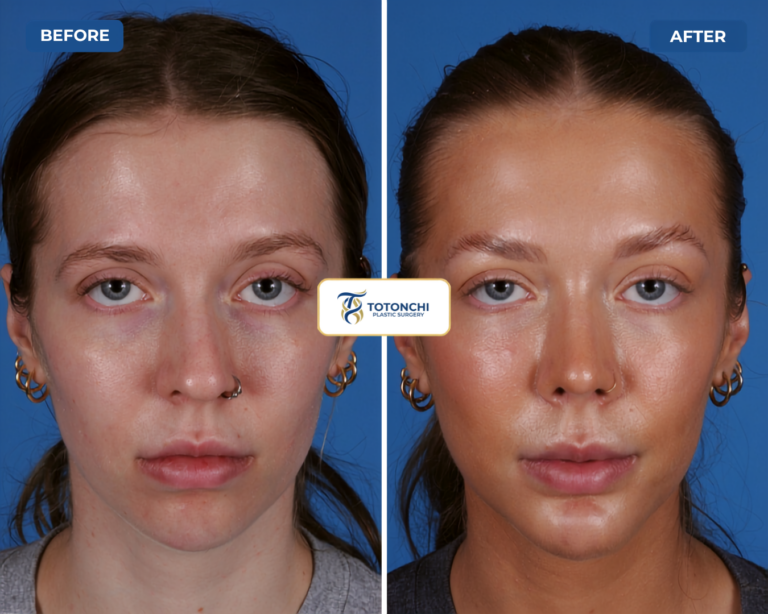
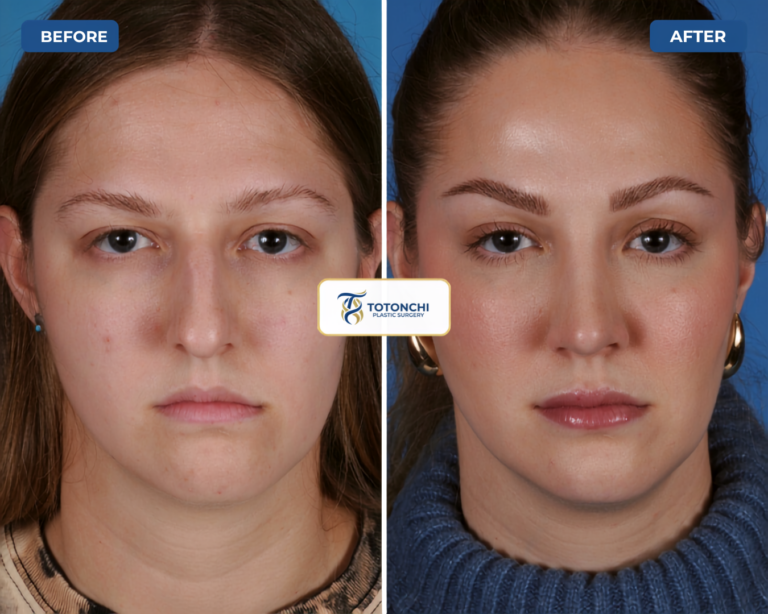
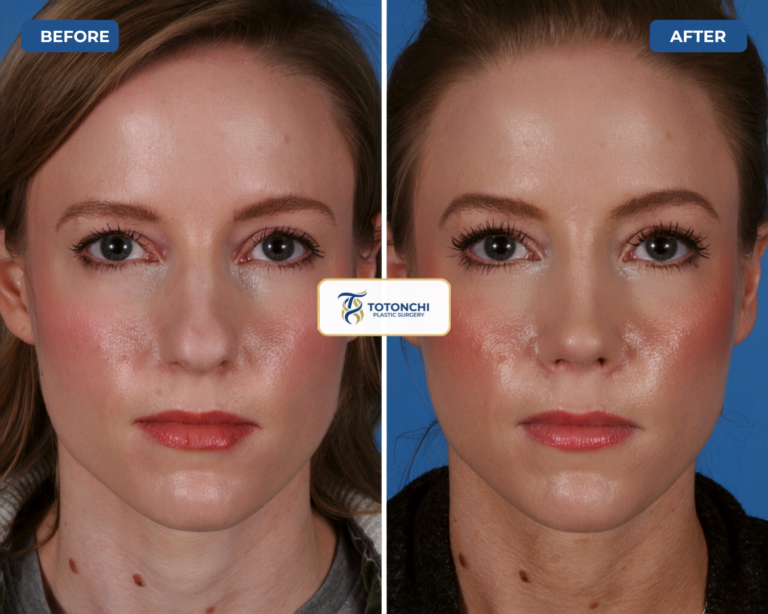
Real Dr. Totonchi Patient, Before & After Rhinoplasty *
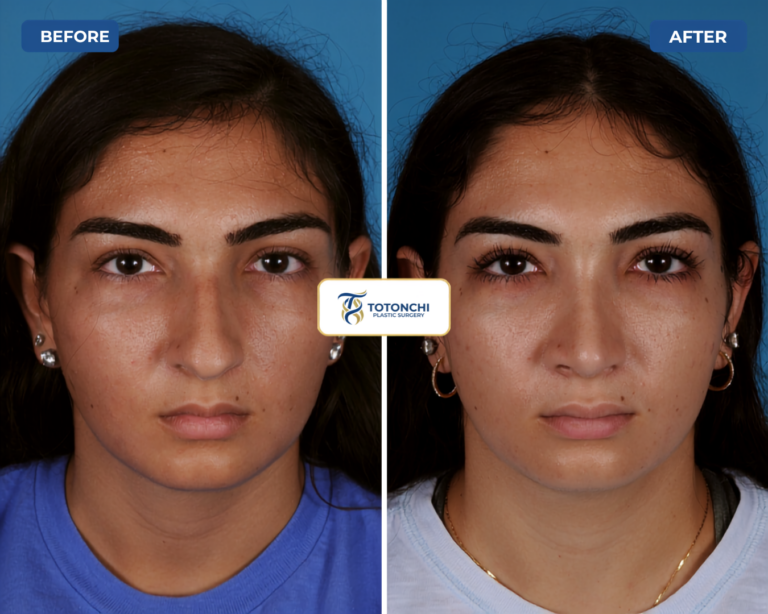
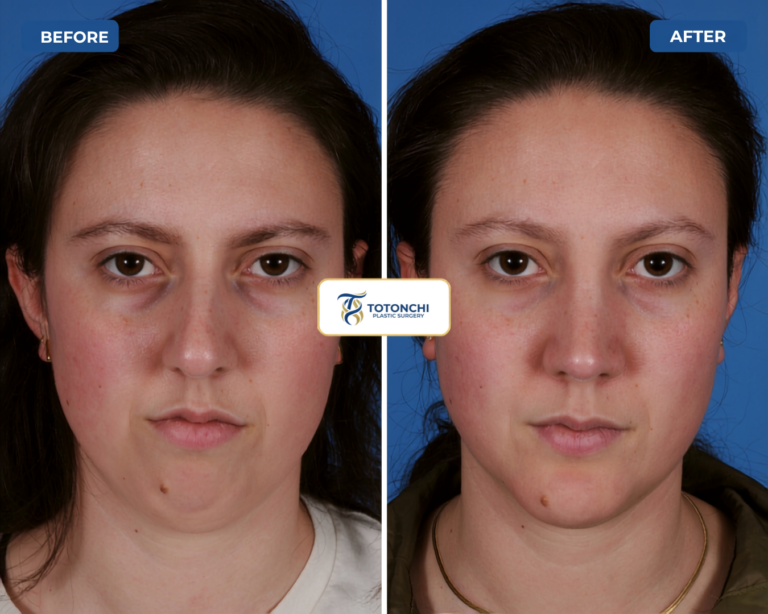
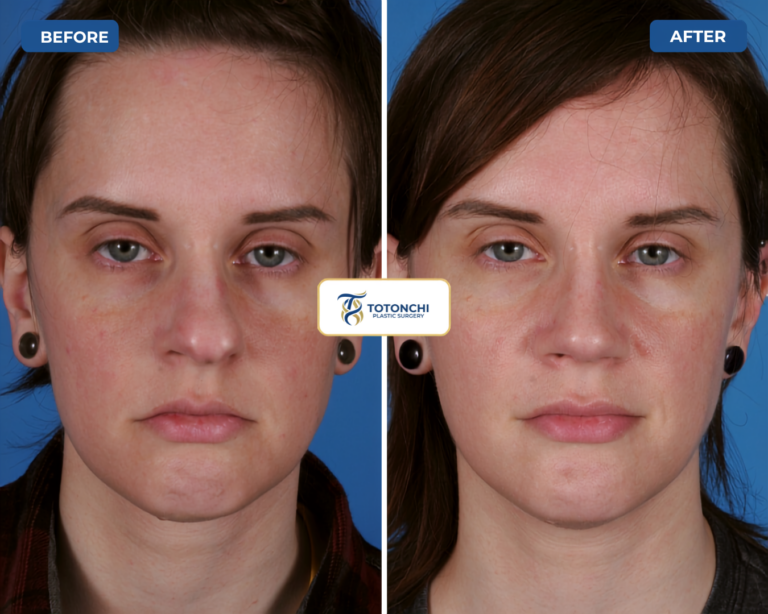


A deviated septum can affect patients in different ways depending on the degree of misalignment. Common symptoms include:
In some cases, a deviated septum may contribute to sleep-related issues, such as snoring or sleep apnea, by restricting airflow.
When symptoms are mild, non-surgical treatments such as nasal sprays or medications may help manage congestion. However, these options do not correct the underlying structural problem. Septoplasty is the only procedure that permanently straightens the nasal septum.
Septoplasty repositions the septum toward the center of the nose, improving airflow through both nasal passages. During surgery, portions of cartilage or bone may be removed, reshaped, or repositioned to create a straighter septum while maintaining nasal support.
When planning septoplasty, Dr. Totonchi carefully considers each patient’s symptoms, breathing concerns, and nasal structure to determine the most appropriate surgical approach.

Septoplasty is typically recommended when a deviated septum causes ongoing symptoms that interfere with daily life. In more severe cases, septal deviation may block one side of the nose entirely, leading to persistent breathing difficulty. Over time, restricted airflow can cause drying of the nasal lining, resulting in bleeding, crusting, and irritation.
If you experience frequent congestion, chronic nasal obstruction, or sleep disruption due to septal deviation, you may benefit significantly from septoplasty. In some cases, the procedure is also performed in conjunction with other nasal surgeries to improve both function and structure.
Not all breathing problems through the nose area are a result of a deviated septum. Structural nasal issues like weak cartilage and anatomical variation of the nose can cause breathing issues. This will all be evaluated in your consultation with Dr. Totonchi. During this visit, your medical history will be reviewed, and a physical examination of the nose will be performed. Dr. Totonchi will discuss your symptoms in detail, including breathing difficulties and any history of nasal trauma or headaches.
Certain medications may need to be adjusted before surgery, and patients will receive individualized preoperative instructions. It is important to mention any history of headaches, as some headaches related to nasal obstruction may improve after septoplasty. Septoplasty may also be performed concurrently with rhinoplasty when both functional and aesthetic concerns are present.
Septoplasty is typically performed under general anesthesia. The procedure is done entirely through incisions inside the nose, meaning there are no visible external scars, unless other procedures are performed in combination. Through these internal incisions, Dr. Totonchi reshapes and repositions the septum to improve airflow while preserving nasal support.
Once the septum has been corrected, the incisions are closed using absorbable sutures. Soft silicone splints are commonly placed inside the nose to support healing and stabilize the septum. These splints are usually removed one to two weeks after surgery during a follow-up visit.
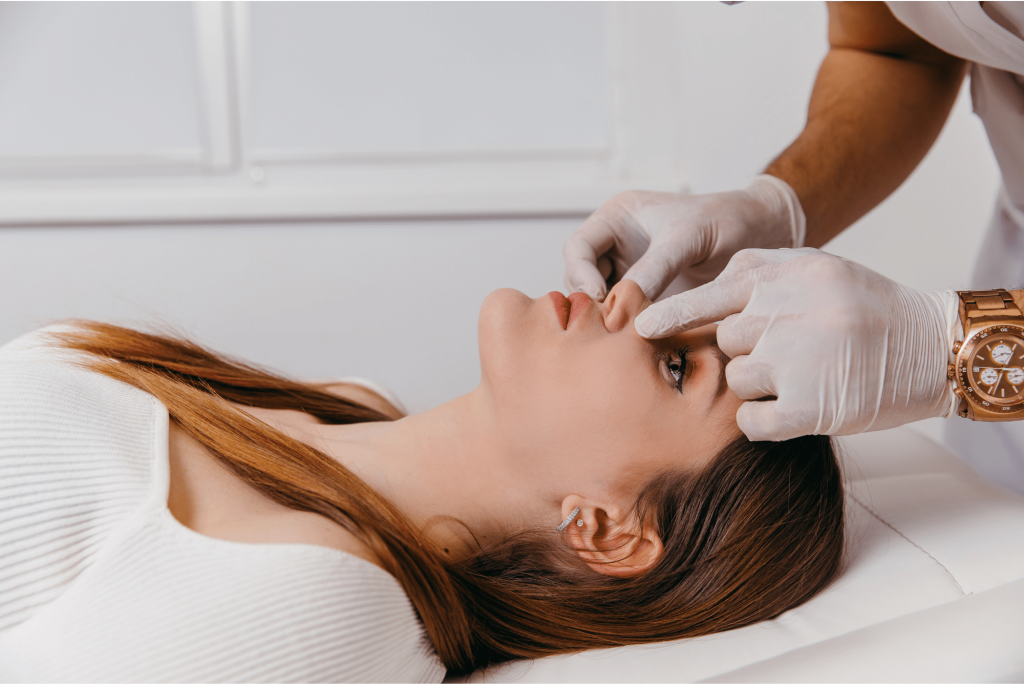
After septoplasty, you can expect temporary swelling, congestion, and mild discomfort. Dr. Totonchi provides detailed postoperative instructions to support proper healing. You are advised to:
Most patients can return to normal daily activities within 1 to 2 weeks. Breathing improvement becomes more noticeable as swelling subsides and internal healing progresses.
Septoplasty requires a thorough understanding of nasal anatomy and airflow dynamics. Dr. Ali Totonchi has extensive experience performing nasal surgery and treating functional nasal conditions. His approach emphasizes careful evaluation, precise surgical technique, and individualized care. Patients appreciate his clear communication, thoughtful planning, and focus on long-term functional improvement.
Dr. Totonchi treats patients throughout Cleveland, Lyndhurst and Westlake, OH, offering attentive follow-up care and detailed guidance before and after surgery.
If a deviated septum is affecting your breathing or quality of life, septoplasty may offer lasting relief. To schedule a consultation with Dr. Totonchi in Cleveland, please call (440) 461-7999 or contact our office to learn more about your treatment options and determine whether septoplasty is right for you.