
Real Dr. Totonchi Patient, Before & After Rhinoplasty *
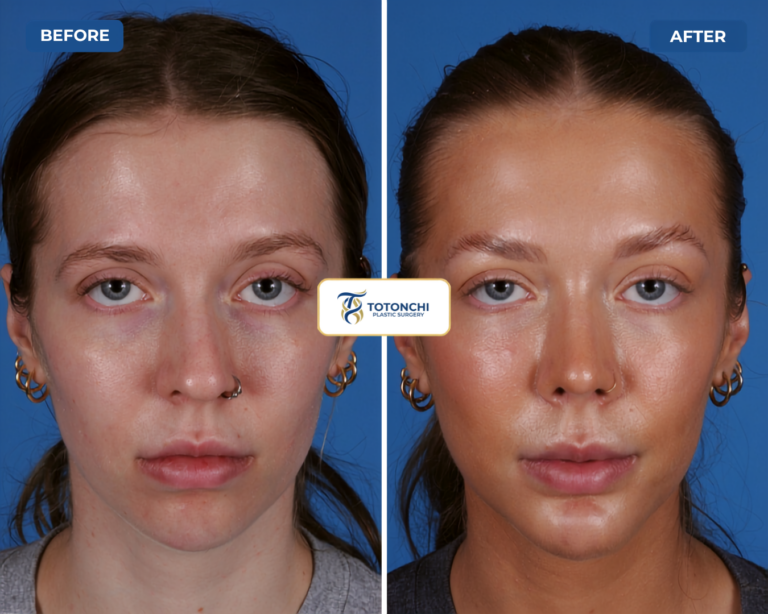
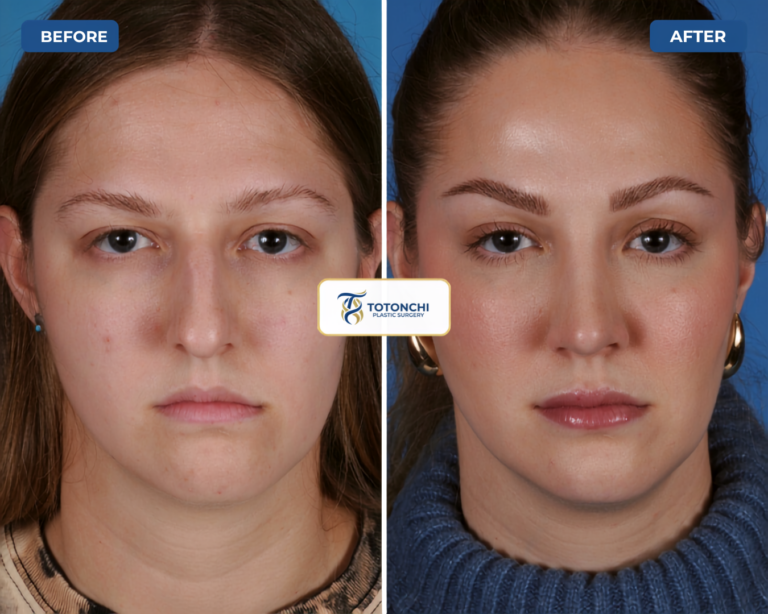
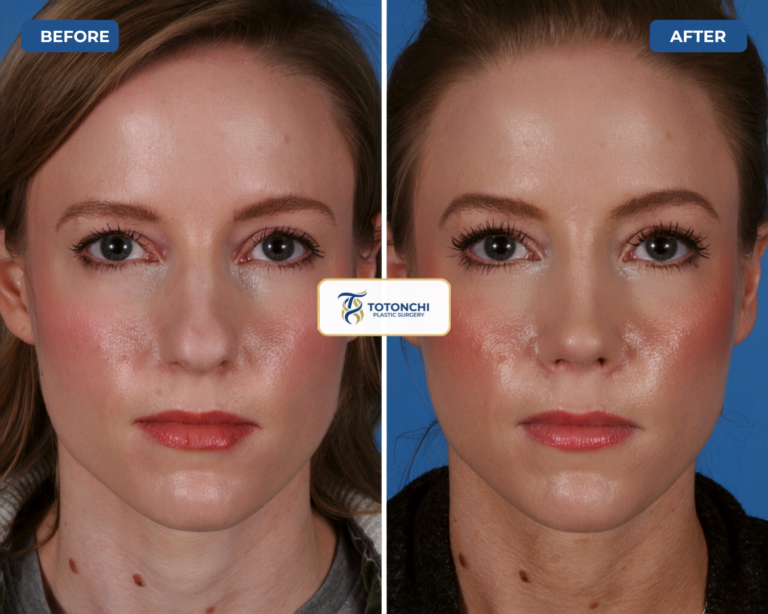
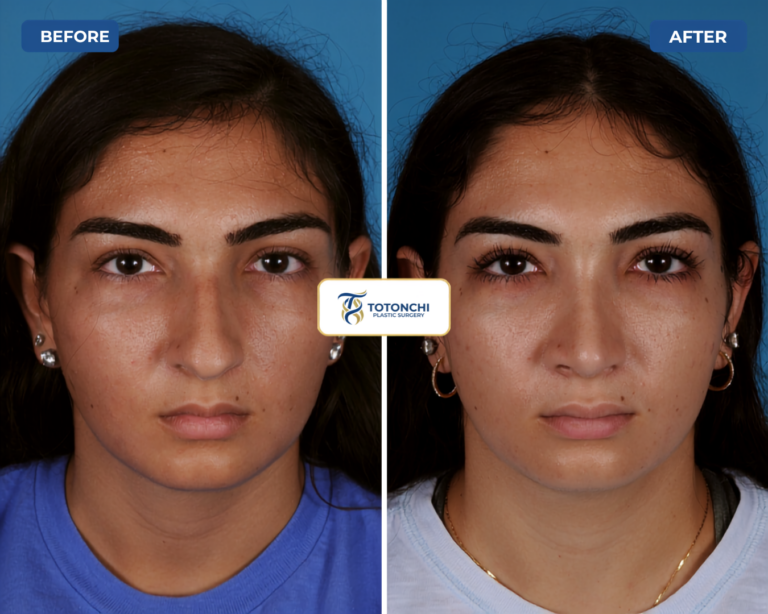
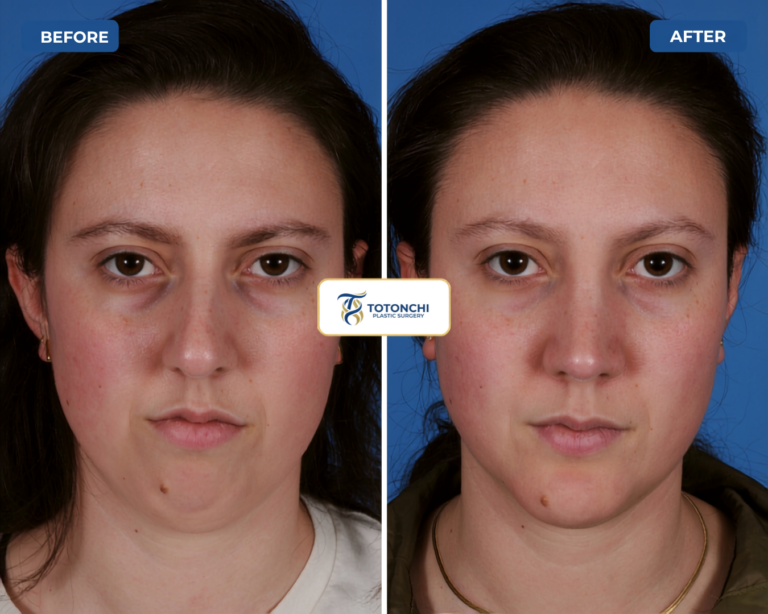
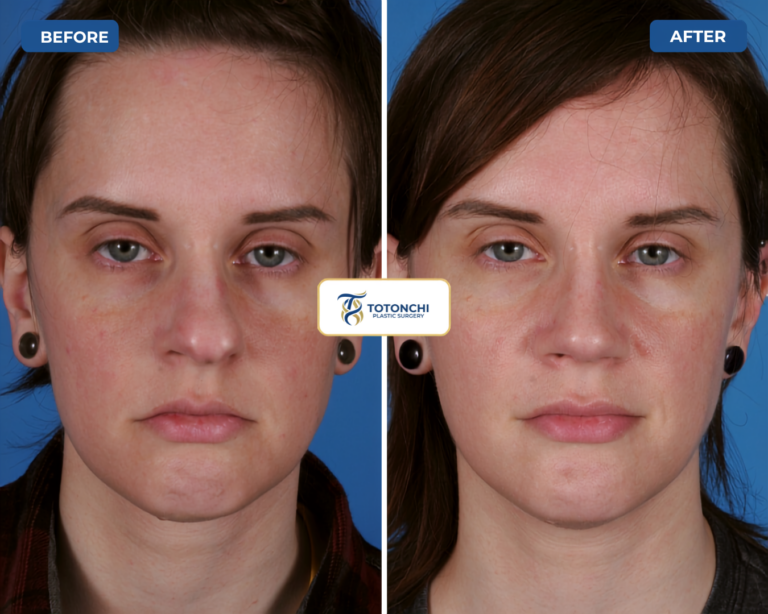
A rhinoplasty can allow for changes from minor to dramatic alterations to be made to the nose. The size of the nose can be altered to achieve balance with other parts of the face. Alterations can be made to the width of the nasal bridge. The nasal profile can be improved by smoothing bumps and indentations. Changes can be made to the angle of the nose in relation to the upper lip to alter the nasal tip and to restore proper nasal symmetry and correct deviations. Dr. Totonchi can also improve or restore the appearance of the nose due to an accident or trauma.
A rhinoplasty is considered a cosmetic procedure while a septoplasty is a corrective surgical procedure to straighten the nasal septum. A septoplasty can be done in conjunction with a rhinoplasty if needed.


As an expert in rhinoplasty, Dr. Totonchi offers many types of specialty procedures, which include:
Ethnic Rhinoplasty: Some patients wish to make cosmetic improvements to their nose without erasing or “anglicizing” the features that are common with their race/ethnicity. Dr. Totonchi has experience preserving aspects that feel core to a patient’s identity rather than subscribing to the idea that one standard of beauty should apply to all noses.
Revision Rhinoplasty: Selecting a top doctor is essential for revision rhinoplasty, not only to ensure that the quality of the results is much better, but because a nose that has already been operated on is even more fragile and all subsequent modifications should be made with utmost thought and precision. Fortunately, Dr. Totonchi has outstanding training and expertise in nose surgery and can perform revision at an elite level. The consultation process is the first step to seeking an expert opinion to make improvements.
Functional Rhinoplasty: Although most rhinoplasty procedures are performed for cosmetic purposes, a functional rhinoplasty (septoplasty) corrects a deviated septum to improve the flow of air through your nose. In many cases, patients decide to combine elements of a cosmetic and functional rhinoplasty in one convenient surgery.
A rhinoplasty is performed under general anesthesia. There are two approaches to reshaping the nose, open rhinoplasty and closed rhinoplasty. Closed rhinoplasty incisions are made inside the nose cavity, while open rhinoplasty incisions are made to the columella, which is the strip of tissue that separates the nostrils. An incision made through these areas will make the incisions inconspicuous. The tissues will then be raised to access the underlying bone and cartilage tissues in order to make necessary repairs or alterations. Once the desired nasal contour is achieved, the incisions are closed and are lined along the natural creases of the nose to reduce visibility. Dr Totonchi although performs both approaches but mostly prefers open technique for fine work and to achieve your desired goals and nasal modifications.
Rhinoplasty is considered the most technically complex form of plastic surgery. All alterations must be performed delicately and precisely, which makes choosing an expert surgeon that much more important. Dr. Totonchi has extensive training in cosmetic and reconstructive facial procedures and now specializes in rhinoplasty. To see his results, you may check his rhinoplasty photo gallery. To see why so many patients in Cleveland refer their friends to Dr. Totonchi for rhinoplasty, please call to schedule a consultation.
You will normally be seen in the office within 1-2 weeks of your surgery, and then about 2 other times in the first couple of months. You will then be seen periodically to monitor healing. We follow Rhinoplasty patients up to one year after surgery.
If you are interested in rhinoplasty in Cleveland, call today to schedule a consultation with Dr Totonchi, (440) 461-7999.
All photographs and other material presented on this website are the property of Dr. Totonchi. Please do not download or reproduce the images without the express written consent of Dr. Totonchi.
Cosmetic rhinoplasty is primarily performed to improve the aesthetic appearance of the nose, altering its shape or size according to the patient’s desires and overall facial balance. Septoplasty, on the other hand, is a functional surgery to correct deviations of the nasal septum, which can obstruct airflow and cause breathing difficulties. Often, patients choose to have both procedures simultaneously if they have both cosmetic concerns and functional issues with their nose, a combination known as septorhinoplasty.
Swelling after rhinoplasty occurs in phases:
Revision rhinoplasty can be worth it if you are dissatisfied with the results of your primary surgery, whether due to aesthetic concerns or functional issues that have arisen or were not adequately addressed. However, it is generally more complex than the initial surgery due to the alterations already made to the nasal structure and the presence of scar tissue. The decision to undergo revision surgery should be made carefully, ideally with a surgeon like Dr. Totonchi who specializes in revision rhinoplasty, as achieving the desired outcome can be more challenging. Patients should have a clear understanding of the potential improvements and realistic expectations before proceeding.
Yes, rhinoplasty can correct a broken nose by realigning the nasal bones and cartilage to improve both appearance and function. This type of surgery is particularly effective if there are deviations or deformities resulting from the injury. It’s recommended to wait until initial swelling subsides post-injury before surgery to ensure stable tissues for more predictable results. The procedure may also include septorhinoplasty if the nasal septum is affected, helping to resolve any associated breathing issues.
Disclaimer: Individual results may vary. No guarantee of results, stated or implied by any photo or statement on this website can be made. Please see full disclaimer.