Occipital

Occipital Trigger Migraine Surgery in Cleveland, OH

For many individuals with chronic migraines, the pain begins at the back of the head or upper neck before radiating toward the top of the scalp, temples, or behind the eyes. This pattern is often caused by compression of the greater or lesser occipital nerves as they pass through surrounding muscles, fascia, or blood vessels in the back of the head. When these nerves become irritated, they can trigger debilitating migraine headaches that may not respond to medications alone.

Board-certified plastic surgeon Dr. Ali Totonchi specializes in advanced occipital trigger migraine surgery, a procedure designed to decompress the affected nerves by releasing the surrounding structures that cause chronic irritation. Using proven surgical techniques and a personalized approach, Dr. Totonchi carefully evaluates each patient’s migraine history, trigger points, and anatomy to determine whether occipital nerve decompression is the most appropriate treatment. His goal is to provide long-term migraine relief while helping patients regain their quality of life.


Occipital Trigger Point Surgery in Cleveland

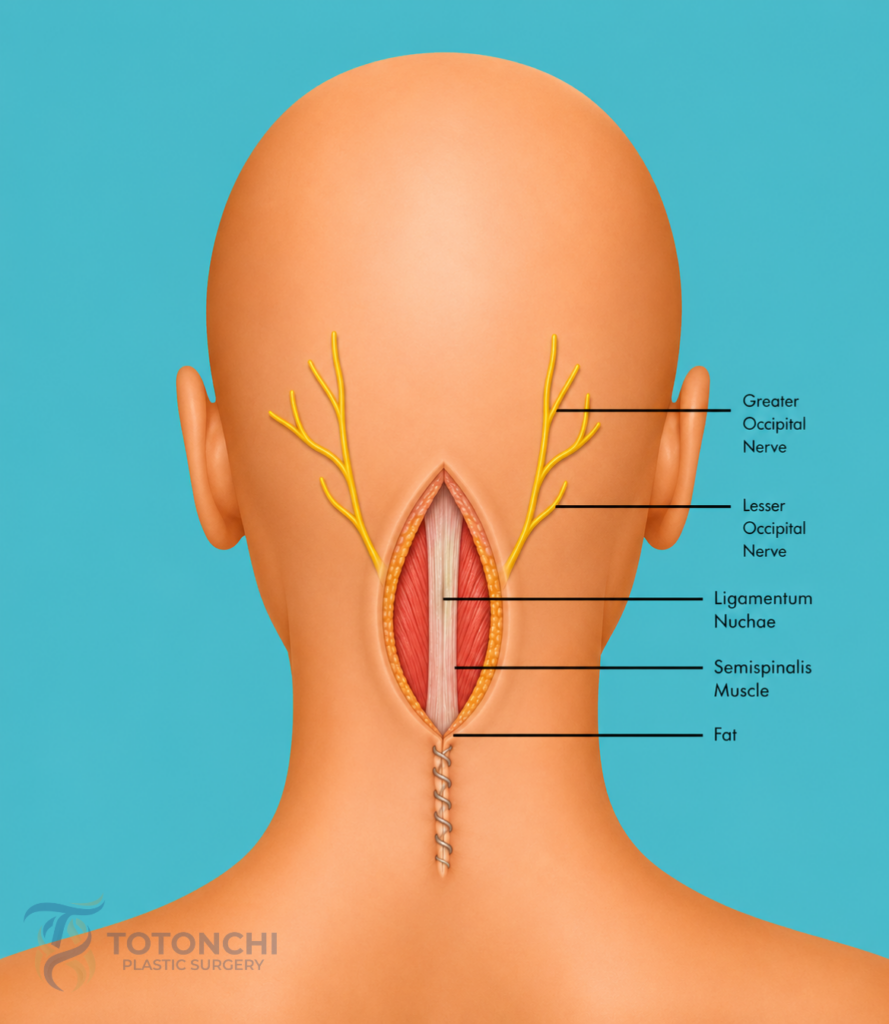
This area is located in the back of the head where Greater Occipital nerve passes through Semispinalis muscle. Migraine surgery for this site is done by an incision in back of the scalp in lower part of the hairline. The Greater Occipital Nerve can be compressed in multiple locations like fascia, muscle, artery or trapezius aponeurosis.

Voted Best 2022-2026

Image gallery marquee
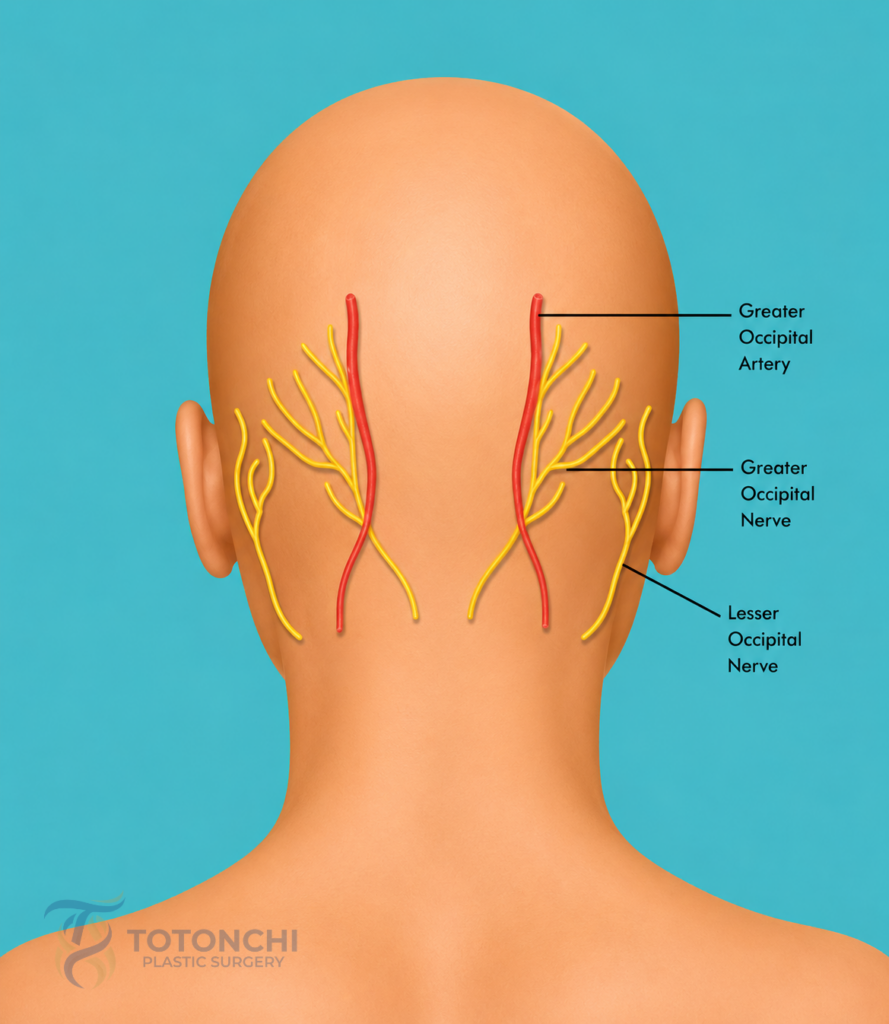
Occipital trigger point; showing the greater and lesser occipital nerves bilaterally and greater occipital artery
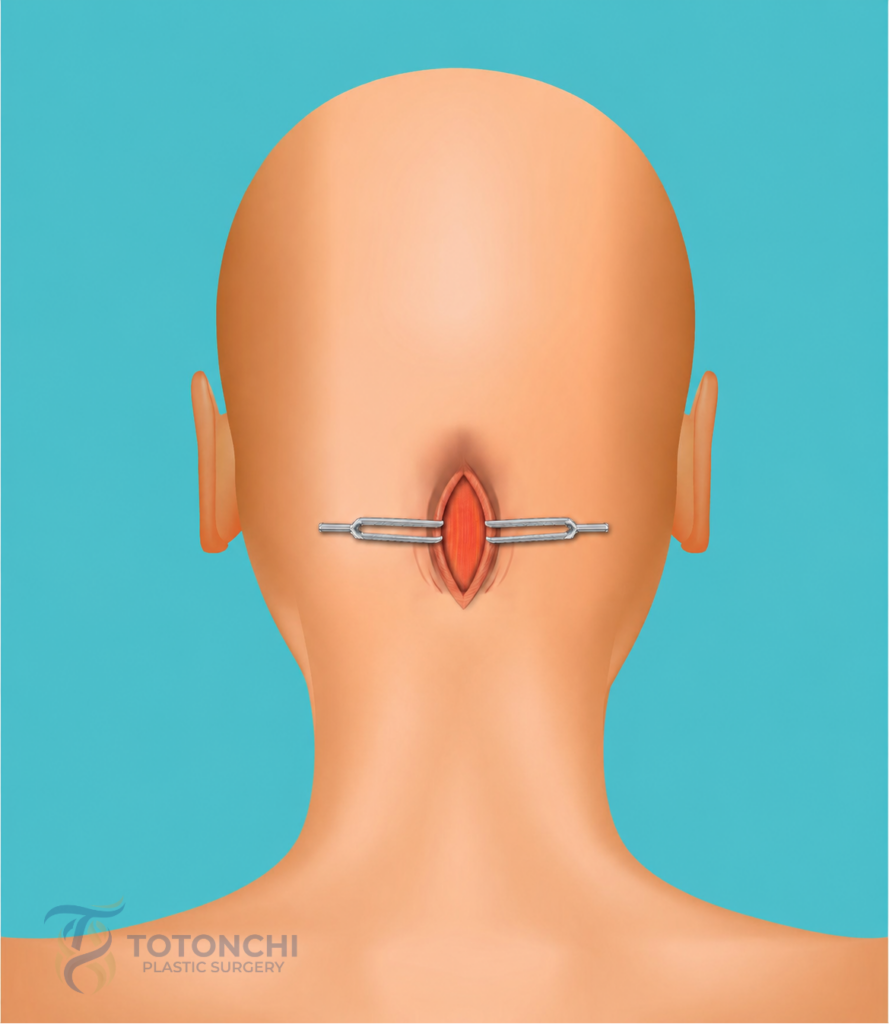
Incision used for occipital trigger point, the entire incision is within the hair bearing area.
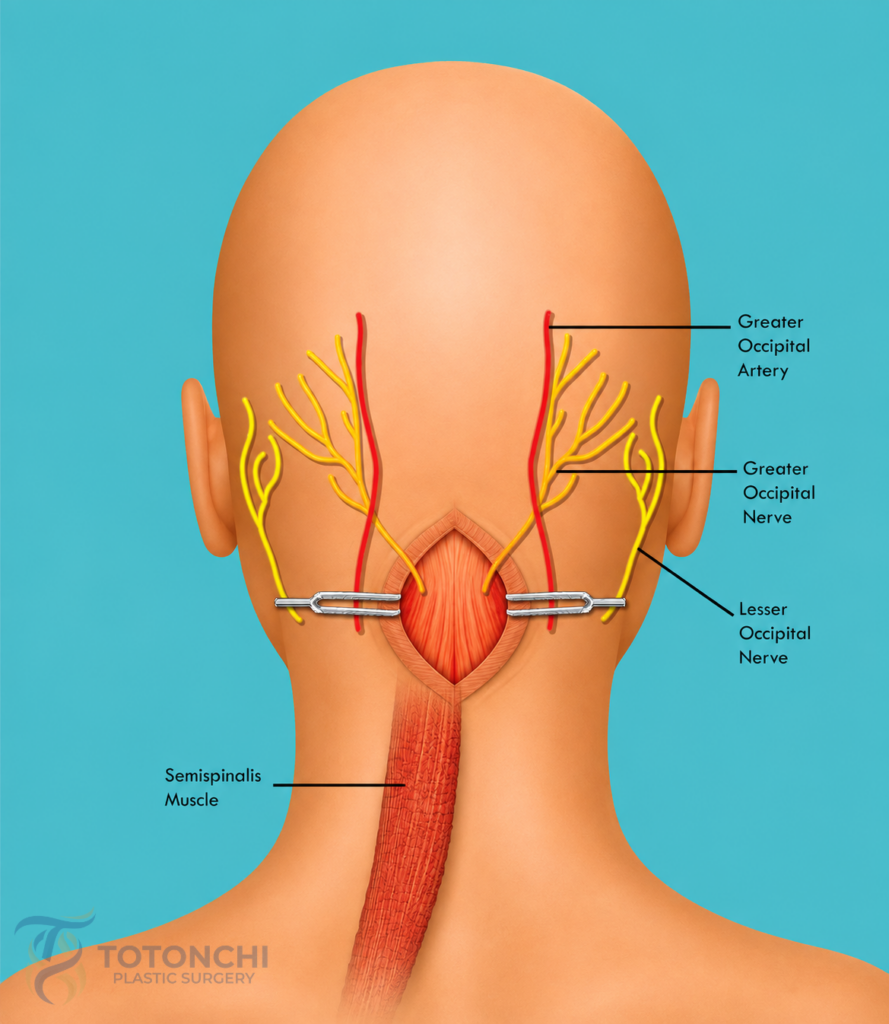
Occipital trigger point; shows exposure of the Semispinalis muscle and Greater Occipital nerve after removal of the Trapezius fasci on top of it, slightly lateral to the midline occipital artery crosses the nerve.
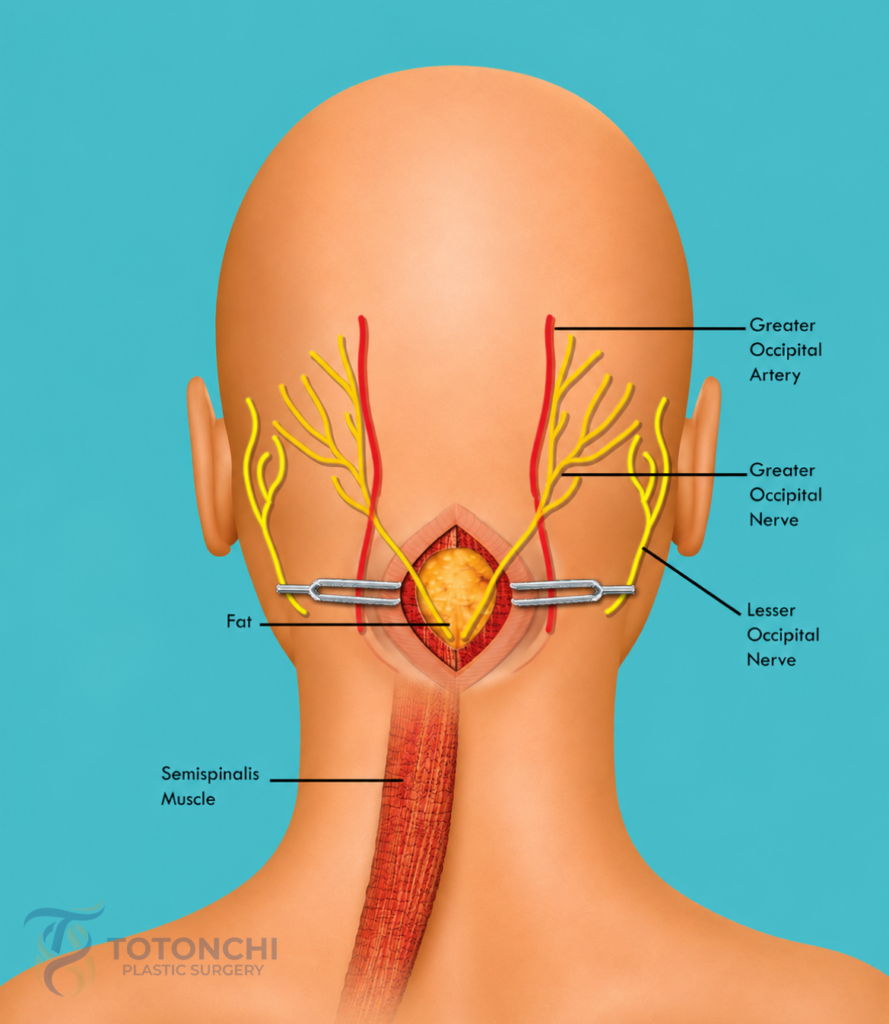
Occipital trigger point: the goal of the surgery is to decompress the nerve in multiple levels like muscle, Trapezius fascia and artery
Occipital trigger point: closure after surgery; the entire scar in in the hair bearing area.

Find Lasting Relief from Occipital Migraines

If your migraines consistently begin in the back of your head or upper neck and have not improved with medications, Botox®, or other conservative treatments, occipital trigger migraine surgery may offer a long-term solution. By relieving pressure on the occipital nerves, this procedure addresses the underlying source of pain rather than simply masking the symptoms, helping many patients experience fewer, less severe migraine attacks.

During your consultation, Dr. Totonchi will perform a comprehensive evaluation to identify your migraine trigger points, review your treatment history, and determine whether occipital nerve decompression is right for you. Every treatment plan is customized to your unique symptoms and anatomy, ensuring the most effective approach to achieving meaningful, lasting relief.


Board-certified plastic surgeon Dr. Ali Totonchi specializes in advanced occipital trigger migraine surgery, a procedure designed to decompress the affected nerves by releasing the surrounding structures that cause chronic irritation. Using proven surgical techniques and a personalized approach, Dr. Totonchi carefully evaluates each patient’s migraine history, trigger points, and anatomy to determine whether occipital nerve decompression is the most appropriate treatment. His goal is to provide long-term migraine relief while helping patients regain their quality of life.